Can Dogs and Cats Share the Same Water Bowl? The Ultimate Multi-Pet Guide
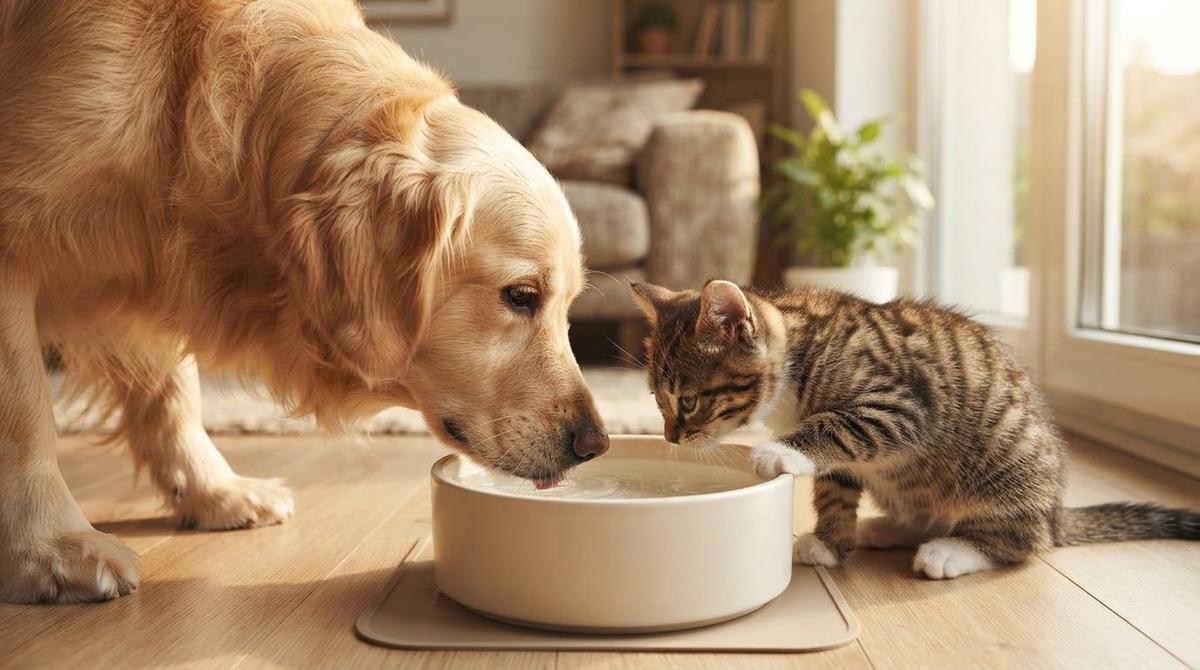
If you walk into a multi-pet household on any given afternoon, you will likely spot a peaceful scene: a golden retriever resting by the kitchen floor, sharing a quiet moment with a curious tabby cat dipping its paw into a shared bowl. To a pet parent, it looks like the picture of domestic harmony. But beneath that cute surface lies a very practical question that every owner of both species eventually asks: Can dogs and cats actually share the same water bowl, or are we accidentally putting our furry family members at risk?
Living with both species teaches you quickly that their instincts, habits, and daily quirks are worlds apart. While dogs approach hydration like it's an Olympic sport—slurping loudly, splashing water everywhere, and occasionally treating the bowl like a personal wading pool—cats are refined, careful drinkers. Merging their hydration stations sounds convenient for us, but let's dive deep into what actually happens behind the scenes when whiskers and snouts share the exact same water source.
The Real Science: Can Dogs and Cats Drink From the Same Bowl?
The short answer is yes, absolutely. If your dog and cat are both healthy, fully vaccinated, and get along well, sharing a water bowl on occasion is generally safe. Millions of households do it every single day without a hitch.
However, "safe" doesn't mean it's completely without caveats. Just like humans sharing a glass, saliva exchange and minor bacteria transfer happen naturally. For healthy adult pets with strong immune systems, their bodies easily handle this minor exposure. But if one pet is elderly, recovering from an illness, or has a compromised immune system, that shared bowl transforms into a subtle highway for cross-contamination.
Hidden Risks of Shared Hydration in Multi-Pet Homes
Before you pitch your separate bowls and set up a central watering hole, you need to consider how these two distinct animals interact with water and each other:
- Saliva and Backwash Build-up: Dogs have different oral bacteria profiles than cats. When a dog repeatedly dunks its slobbery snout into a bowl, it leaves behind food particles and organic matter that quickly multiply bacteria, turning standing water murky much faster than a cat would prefer.
- Feline Territorial Stress: Cats are deeply intuitive and sensitive creatures. If a larger dog dominates the water station or splashes water all over the floor, a cat might feel intimidated. This subtle stress can cause your cat to drink significantly less water throughout the day, quietly paving the way for urinary tract issues. For deeper insights into keeping your feline companion safe from hidden household hazards, take a look at our guide on toxic foods for cats and dogs.
- The "Slurp and Splash" Deterrent: Cats hate getting their sensitive whiskers and paws wet unexpectedly. A dog's sloppy drinking style often leaves the surrounding area wet and chaotic, driving picky cats away from the bowl entirely.

Nutrition, Hydration, and Overall Pet Wellness
Hydration doesn't happen in a vacuum; it ties directly into what your pets eat every single day. Dogs eating dry kibble tend to drink massive amounts of water to balance their sodium and moisture intake, whereas cats—descended from desert-dwelling ancestors—rely heavily on moisture from their food and often drink less overall. If you feed your dog commercial kibble, making sure their nutritional profile is top-tier is essential; you can explore expert recommendations in our vet-approved dog food guide for 2026.
Furthermore, managing your dog's daily diet properly ensures they stay energetic, hydrated, and less prone to scavenging or erratic drinking habits. For a comprehensive look at balancing dry formulas and daily routines, check out our detailed real owner's dry dog food guide.
Best Practices: How to Manage Multi-Pet Water Stations Like a Pro
If you prefer keeping a single shared watering station, or if your pets simply refuse to use separate ones, you can easily mitigate the risks by following these tried-and-true ownership habits:
- Upgrade Your Bowl Material: Ditch cheap plastic bowls immediately. Plastic develops microscopic scratches that trap bacteria and cause feline acne. Always choose heavy-duty **stainless steel or ceramic bowls** that resist bacterial buildup and are easy to sanitize.
- Change Water Frequently: Refresh the bowl at least three to four times a day. Stale, backwashed water turns off cats instantly.
- Provide Backup Stations: Even if they share sometimes, always keep a secondary water bowl tucked away in a quiet, elevated spot where only the cat can reach it. This ensures your feline friend always has a stress-free place to drink away from an boisterous dog.
- ️Daily Scrubbing: Wash the water bowl with warm, soapy water daily to eliminate the slippery biofilm layer that naturally forms from pet saliva.
Frequently Asked Questions (FAQ)
Can sharing a water bowl transmit diseases between dogs and cats?
Yes, though rare among fully vaccinated indoor pets, shared bowls can transmit upper respiratory bugs, kennel cough bacteria, or parasites like Giardia if one pet is already infected. Regular cleaning and veterinary checkups eliminate this risk.
Why does my cat refuse to drink from the dog's bowl?
Cats are extremely sensitive to taste, smell, and cleanliness. If the water smells like dog saliva, has food debris floating in it, or if the dog splashes nearby, your cat will find it unappealing and seek water elsewhere (like a dripping faucet or your glass).
Is a pet water fountain better for cats and dogs sharing water?
Pet fountains are a fantastic investment for multi-pet homes. The circulating filtration system keeps the water oxygenated, cool, and free of debris, which naturally encourages both dogs and cats to drink more frequently.
Conclusion
At the end of the day, watching your dog and cat share a water bowl is a sweet reminder of the bond they share under your roof. While they can safely share water under normal, healthy circumstances, giving them clean materials, fresh refills, and occasional private backup options guarantees peace of mind, strong immune health, and a harmonious home.


No comments:
Post a Comment
Join the discussion below. Please keep your comments relevant to the topic (Pet Care) and respectful. Your experience is valuable to our community!