Why Is My Dog Reverse Sneezing? Causes, How to Help & When to Worry

You hear a sudden, loud honking or gagging sound, and your dog is standing frozen with their neck stretched out, seemingly fighting for air. Every instinct tells you they are choking. Take a slow breath: in most cases, this is reverse sneezing, a harmless reflex that passes on its own within a minute. However, if your dog is truly struggling to breathe, collapsing, or their gums are turning blue, do not wait. Seek emergency veterinary care immediately.

If you have ever asked yourself, “why is my dog reverse sneezing?”, the answer is usually far simpler than it looks. This guide explains what is happening, what sets it off, how to help your dog through an episode, and the signs that mean it is time to call your vet.

What Is Reverse Sneezing in Dogs?

Reverse sneezing, known medically as paroxysmal respiration, is a sudden, involuntary spasm. A regular sneeze pushes air out through the nose. A reverse sneeze does the opposite: your dog rapidly pulls air in through the nose in short, forceful bursts. The throat and soft palate briefly tighten, which creates the loud snorting, honking, or gagging noise that many owners describe as a dog honking sound.

The classic posture is easy to recognize. Your dog stands still, extends the neck forward, tilts the head back, flares the nostrils, and often points the elbows outward to brace the chest. Most episodes last a few seconds, and some run 30 to 60 seconds before the spasm releases and your dog goes back to normal.

It looks terrifying. The noise is loud, your dog seems unable to catch a breath, and it closely mimics choking, so it is natural to panic. The medical reality is different. Reverse sneezing is a reflex, not a blockage, and your dog is still breathing throughout, just in a noisy, unusual pattern.

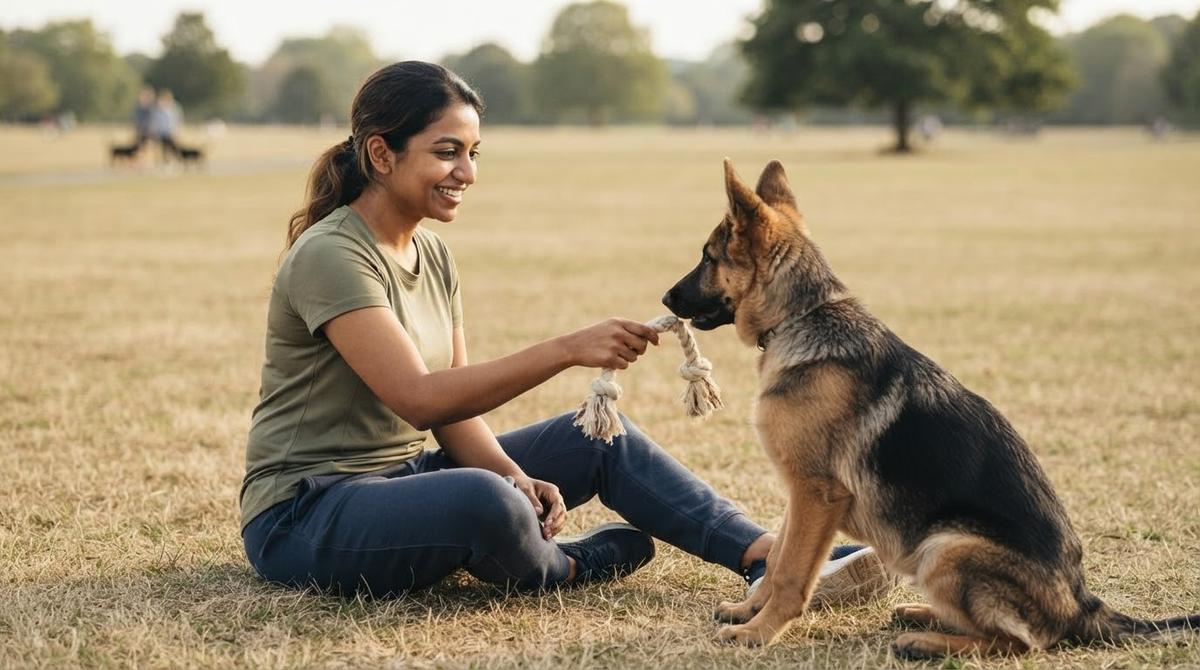
Dog extending neck showing signs of reverse sneezing

A stretched neck and a rigid, planted stance like this are the textbook signs of an episode. Once you know what to look for, it becomes much easier to stay calm and recognize the pattern the next time it happens.

Reverse Sneezing vs. Other Breathing Issues

Because the symptoms can look similar, owners often confuse reverse sneezing with more serious conditions. Here is how to tell them apart:

Condition Key Characteristics
Reverse Sneezing Sudden, rapid inward snorting. Neck stretched forward. Lasts seconds to 1 minute. Dog is fine immediately after.
Collapsing Trachea A chronic, harsh “goose-honk” cough. Often triggered by excitement, pulling on a leash, or drinking water. Lasts longer than a reverse sneeze.
Kennel Cough A persistent, hacking cough that may end with a retch or gag. Highly contagious among dogs.
Asthma or Allergies Wheezing, labored breathing, and sometimes a soft cough. Often linked to environmental triggers.

If you are unsure whether your dog is reverse sneezing or something more serious, record the episode if it is safe to do so and contact your veterinarian. A short video is often more useful than trying to describe the sound.

What Triggers Reverse Sneezing?

At its core, reverse sneezing happens when the soft palate and the area at the back of the nose and throat become irritated. The body responds with a spasm to clear the irritation. If your dog reverse sneezes often, one of these common triggers may be responsible:

  • Allergies: Pollen, dust mites, and other seasonal triggers can inflame the nasal passages and throat. If allergies seem likely, ask your veterinarian whether treatment is appropriate. Never give human antihistamines or allergy medicines without veterinary guidance.
  • Environmental irritants: Perfumes, cleaning sprays, air fresheners, dust, and smoke can irritate the back of the throat and set off an episode.
  • Excitement or overexertion: Intense play, sudden excitement, or pulling hard on a leash can trigger a spasm, especially when a collar presses against the throat.
  • Nasal mites, foreign objects, or anatomy: Tiny mites, a blade of grass lodged in the nose, or the compact airway structure of flat-faced breeds such as Pugs and Boston Terriers can make episodes more frequent.

If your dog pulls on the leash during walks, a well-fitted chest harness may reduce pressure on the throat and help prevent some episodes.

How to Help a Dog During Reverse Sneezing

Most episodes resolve on their own within a minute, so there is rarely anything you must do. The steps below can help your dog stay calm and may help the episode end sooner.

  1. Stay calm yourself: Speak in a soft, steady voice and avoid grabbing or restraining your dog. Dogs often pick up on their owner’s anxiety. Learning to read your dog’s body language also helps you tell mild discomfort from real distress, and our guide to dog body language explained is a good place to start.
  2. Gently massage the throat: Lightly stroke or rub the neck just under the jaw. This gentle pressure can help relax the throat muscles.
  3. Encourage swallowing: Offer a small treat, let your dog lick a little water, or gently blow toward their face. Swallowing can help clear the irritation at the back of the throat.
  4. Briefly cover the nostrils (Optional): Gently cover the nostrils for just 1 to 2 seconds to encourage swallowing, then release immediately. Do not do this if your dog is panicking, resisting, or if you suspect choking or another breathing problem. When in doubt, simply stay calm and let the episode pass.

Never put your fingers inside your dog’s mouth, force water into their mouth, or give human decongestants or combination allergy medicines.

Dog sitting calmly with owner after reverse sneezing episode

Once the spasm lets go, most dogs return to normal almost instantly. They shake it off, wag their tails, and carry on as though nothing happened. A little calm reassurance from you is all they need.

Record the Episode for Your Vet

If this is the first time your dog has reverse sneezed, or if you are unsure what is happening, try to record 10 to 15 seconds of video. Keep a safe distance, do not interrupt the episode, and capture the sound, neck posture, and breathing pattern.

A video can help your veterinarian distinguish reverse sneezing from coughing, gagging, collapsing trachea, or true respiratory distress. It is especially helpful because many dogs do not reverse sneeze during a clinic visit.

When Should You Worry About Reverse Sneezing?

Occasional, brief episodes are usually harmless. Contact your veterinarian if you notice any of the following:

  • Episodes last longer than one to two minutes or become more frequent or severe.
  • Your dog has several episodes in a day or repeated clusters.
  • Episodes come with coughing, nasal discharge, bloody discharge, lethargy, fainting, collapse, or loss of appetite.
  • Your dog struggles to breathe between episodes.
  • Your dog’s gums or tongue look pale, gray, blue, or purple.
  • You are unsure whether your dog is choking or having a reverse sneezing episode.

Respiratory distress is an emergency. If your dog cannot get enough air, collapses, or has blue or gray gums, seek immediate veterinary care.

Dogs are also experts at hiding pain and discomfort, so repeated symptoms should never be ignored. If episodes keep returning, a check-up can rule out nasal mites, foreign material, infections, airway problems, or other underlying causes. Above all, keep watching over your companion with love and patience. The same bond that makes you notice every odd sound is the one behind the subtle signs your dog loves you every single day.

Frequently Asked Questions

Is reverse sneezing in dogs painful?

Reverse sneezing is frightening to watch, but it is not usually painful. Most dogs seem startled rather than hurt and return to normal soon after the episode ends. If your dog appears to be in genuine discomfort during or after episodes, speak with a veterinarian.

Can a dog die from reverse sneezing?

Reverse sneezing itself is not considered life-threatening, and most episodes stop on their own. However, similar sounds can sometimes be caused by serious airway, heart, or lung problems. Prolonged, frequent, or symptomatic episodes need veterinary assessment.

Why does my dog keep reverse sneezing?

A dog that keeps reverse sneezing may be reacting to allergies, smoke, perfumes, dust, leash pressure, excitement, or the airway shape of a flat-faced breed. Identifying and reducing the trigger can help. If it becomes chronic or frequent, your vet may check for mites, foreign objects, infections, or other conditions.

How long is too long for reverse sneezing?

A normal episode lasts from a few seconds to under a minute. If one lasts more than one to two minutes, happens in repeated clusters, or leaves your dog exhausted, with pale or bluish gums, or struggling to breathe, contact a veterinarian promptly or seek emergency care.

By understanding what is happening, you are already doing right by your dog. Most reverse sneezing episodes are brief and harmless, but if the honking becomes frequent, lasts longer than usual, or comes with any other symptoms, consult your veterinarian for peace of mind and proper care.
Dog Head Pressing: Is It Pain or Just Exhaustion?

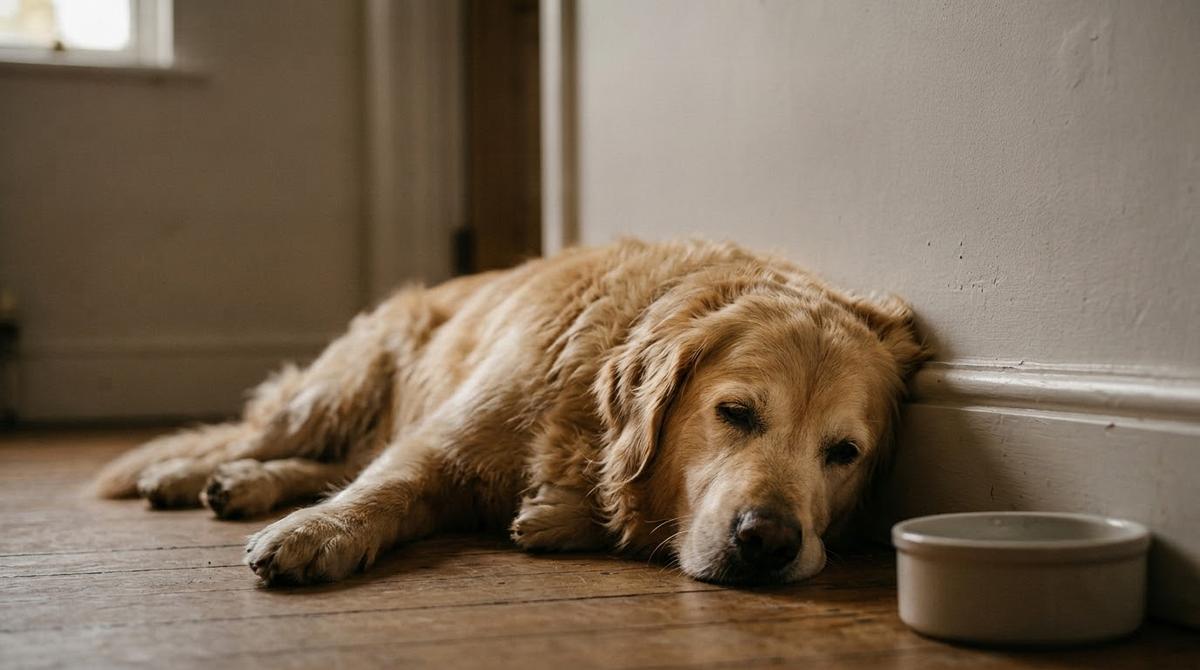
Dog head pressing against a wall showing signs of neurological distress

You walk into the room and your dog is standing in the corner, forehead pressed flat against the wall. He isn't sleeping. He isn't playing. When you call his name, he barely reacts. He just stands there, pushing.

It's a scary thing to see, and many owners aren't sure what it means. Is it a strange habit? Is he tired? Is something wrong with his brain?

Here's the short answer. Head pressing is almost always a sign of serious illness, so treat it as a medical emergency. Exhaustion alone doesn't explain it.

Weakness Doesn't Explain Head Pressing

It's easy to think "he's just worn out." A weak, underfed, or stressed dog can look completely drained, and a wall can look like the only thing holding him up.

Here's the catch. A dog who's too weak to stand may prop himself against a wall, and from across the room that can look a lot like head pressing. But true head pressing is different. It's a compulsive pushing of the head into a surface, and it's usually a neurological sign, meaning something is wrong with the brain or the nervous system.

You can't reliably tell the two apart at home. A very sick dog can be weak and neurologically affected at the same time. That's why vets want to see every dog that does this, right away.

What Head Pressing Looks Like

Head pressing means a dog pushes the top of its head against a wall, a door, a piece of furniture, or a corner, and holds it there. It doesn't look like affection. It looks stuck.

  • The dog stands or sits with his forehead against a hard surface for minutes at a time.
  • He doesn't respond much when you call his name.
  • He may wander into a corner and not seem to know how to get out.
  • He may circle, stumble, drool, or stare at nothing.
  • He keeps pressing even though it must be uncomfortable.

The Medical Reasons Behind Head Pressing

A vet will need to run tests to find the exact cause, but these are the ones that come up most often.

Brain Tumors

A tumor can grow inside the skull and push on the surrounding brain tissue. That pressure can disrupt normal brain function, and head pressing is one of the signs. It's more common in senior dogs, though it can happen at any age.

Strokes

A stroke happens when blood flow to part of the brain is blocked or a vessel bleeds. The signs can come on suddenly: head pressing, circling, stumbling, a head tilt, or a dog who suddenly seems confused. Some dogs recover with care, but they need a vet to find out what's behind it.

Toxins and Liver Disease

Some poisons, lead among them, can damage the nervous system. A failing liver is another culprit. When the liver can't clear toxins from the blood, they can build up and affect the brain. Vets call this hepatic encephalopathy, and puppies born with a liver shunt can be affected too. If there's any chance your dog ate something he shouldn't have, tell the vet straight away.

Other causes include brain inflammation, fluid build-up in the skull, head injuries, and certain infections. It's a long list, and that's exactly why guessing at home doesn't work.

It also helps to know your dog's normal habits. A dog who's acting so clingy all of a sudden, or one who's hiding pain, may be telling you something is off before the head pressing even starts. And don't confuse the real thing with the loving kind of leaning. Our post on the signs your dog loves you explains what that looks like.

When to See a Vet Immediately

If your dog presses his head against a wall, a door, or a piece of furniture, call a vet or an emergency clinic right away. Don't wait for the next morning to see if he's better. Some of the causes can be treated, and early care often gives a dog his best chance.

Here's what to do while you arrange the visit:

  • Record a video. Dogs often stop the behavior once they're in a new place with strange smells and sounds. A short clip lets the vet see exactly what you saw at home.
  • Write down other changes. Note any circling, drooling, vomiting, seizures, trouble seeing, or a shift in personality, and when each one started.
  • Bring anything he may have eaten. If poisoning is possible, take along the packaging, plant, or product.
  • Don't give human medicine. Even common painkillers can be dangerous for dogs.
  • Keep him safe and calm. Move him away from stairs and sharp edges, keep the room quiet, and don't scold him. He can't help it.

If you notice any of these signs, don't wait to see if it passes. Call your vet or an emergency clinic right away, even if it's late at night.

Frequently Asked Questions

Is head pressing always a brain tumor?

No, but you can't rule it out at home. A brain tumor is one possible cause, especially in older dogs. Strokes, brain inflammation, liver disease, poisoning, and head injuries can all cause it too. Only a vet can tell which one it is, so don't wait to find out.

Why does my dog press its head against me?

If your dog leans into you with a soft, relaxed body, it's most likely affection. He feels safe and wants to be close. It's a different thing from pushing his head hard into a wall or furniture and staying there, which needs a vet's attention.

How do I know if it's pain or something else?

You can't tell from the outside, and that's okay. A dog in pain may rest his head on furniture or seem withdrawn. A dog that's head pressing pushes against a surface, often seems out of touch with what's around him, and may circle or stumble. Either way, a vet needs to see him.

What should I do first if I see my dog head pressing?

Call your vet or an emergency clinic right away. Take a short video of the behavior, write down any other changes you've noticed, and bring anything your dog may have eaten. Don't give human medication, and don't scold him. He can't help it.

Sources

This article is for general information only. It isn't a substitute for an examination by a qualified veterinarian. If your dog is showing any of these signs, contact a vet right away.

Why Does My Dog Follow Me to the Bathroom? I Finally Found Out

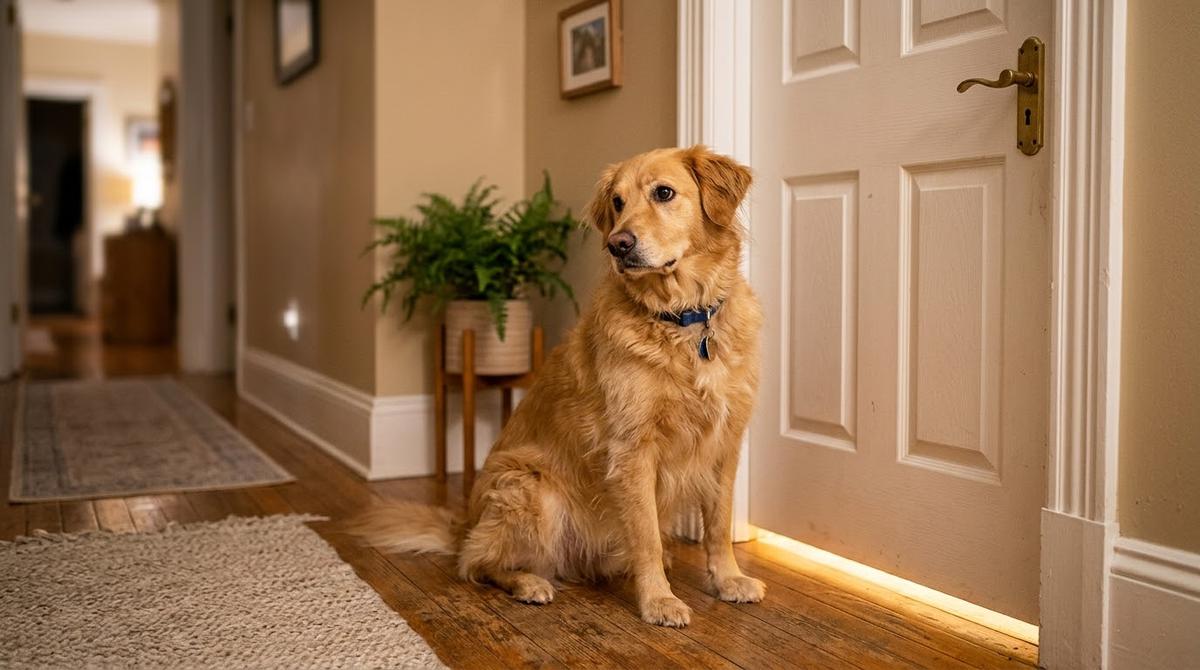
My golden retriever Buster sitting outside the bathroom door waiting for me again

3 AM. Freezing cold. I was half-asleep, dragging myself toward the bathroom. I opened the door, slipped inside, and reached to latch it shut. There, wedged into the two-inch gap before the frame met the latch, was a cold, wet nose.

It was Buster, my rescued Golden Retriever mix. He stared up at me with deadpan seriousness through the dark. I stood there shivering, barefoot on cold tile, having a silent staring contest with a dog who apparently believed my 30-second bathroom break required armed escort. Yes, I know exactly how ridiculous this sounds. But if you have ever tried to close a bathroom door in a house with a dog, you know you are never truly alone.

For years, I wondered if I was doing something wrong, or if my dogs just had an unnatural obsession with porcelain fixtures. The truth turns out to be far more fascinating.

Why Does My Dog Follow Me to the Bathroom?

If you have ever felt a soft nudge against your knees while sitting on the toilet, rest assured: your dog is not broken. This behavior is so common among canine companions that animal behaviorists consider it virtually universal across breeds, ages, and personality types.

We view the bathroom as a sanctuary of absolute personal privacy. Your dog, however, views it through an evolutionary lens that predates indoor plumbing by tens of thousands of years. In the canine world, privacy does not exist, but vulnerability does.

1. The Pack Instinct Never Left

Wild canines do not wander off into secluded rooms by themselves. In a natural pack structure, sticking close to group members is not a preference—it is a survival mechanism. Being alone in the wild usually means you are lost, injured, or exposed to predators.

When you walk down the hallway and step into a small room, your dog's ancestral brain registers movement from the pack leader. Following you isn't a calculated decision; it's a hardwired reflex. To your dog, "alone time" is an abstract human concept that defies every instinct of social survival.

2. You Are the Safe Zone

Underneath all that fur, your dog relies heavily on you for emotional stability. In veterinary science, this is studied through secure attachment theory—the exact same psychological dynamic observed between human infants and their parents.

You represent food, comfort, predictability, and safety. When you shut a door, you temporarily cut off access to that safe zone. Understanding why dogs suddenly become clingy helps contextualize why a closed door feels like an unnecessary barrier to an animal whose whole world revolves around your presence.

3. The Bathroom Is the Most Vulnerable Room

Here is something I learned after spending years observing canine dynamics in shelter environments and home visits: elimination and grooming are high-vulnerability moments in the animal kingdom. When wild animals do their business or rest in confined spaces, they are at their most defenceless.

When you enter the bathroom, your dog recognizes that you are engaging in a routine where your attention is paused. In their eyes, standing watch outside the door—or sitting directly at your feet—is an act of protective duty. They are keeping guard so you can handle your business in safety.

"Early in my career, I assumed dogs followed us into bathrooms out of sheer curiosity or boredom. It took working with dozens of anxious rescues to realize it's actually an ancient pact: 'I watch your back, you watch mine.'"

So the next time a wet nose pushes open the door while you're reaching for the hand towel, remember that it comes from a place of deep-seated loyalty. But what happens when this sweet habit crosses the line into unhealthy obsession?

Is This Behavior Actually Healthy?

I get asked this question almost every week by concerned pet parents: is it normal for my dog to follow me like a shadow, or am I accidentally fostering a codependent nightmare? In most cases, having a little shadow trailing your footsteps to the sink or shower is a sign of healthy attachment. It means your dog feels bonded to you, trusts your presence, and finds comfort in simply being in the same room.

Dogs are incredibly tuned into our emotional frequencies. Long before we consciously notice our own stress levels rising or mood shifting, our canine companions have already picked up on subtle olfactory and postural cues. Recognizing how your dog knows you're sad before you do explains why their desire to stay glued to your side often spikes when you're having an off day or feeling under the weather.

When Following Becomes a Red Flag

However, there is a distinct boundary between loving companionship and panic-driven obsession. When a dog cannot tolerate being on the opposite side of a door without spiraling into distress, we are no longer dealing with simple loyalty—we are looking at clinical separation anxiety.

Here are the warning signs that your dog's bathroom-following habit might be rooted in anxiety rather than affection:

  • Pacing and whining: Excessive vocalization or frantic pacing outside the door the moment it clicks shut.
  • Destructive scratching: Digging at the carpet, chewing the door frame, or trying to force the door open with their paws or snout.
  • Panting and drooling: Physical signs of distress like heavy panting or drooling even during a brief two-minute separation.
  • Inability to settle: The dog cannot relax anywhere else in the house if you are behind a closed door, even if another family member is giving them attention.

If your dog displays several of these distress signals every time you shut a door, it is worth consulting with a certified veterinary behaviorist to address underlying anxiety before it escalates.

What I Tested With My Own Dogs (And What Actually Worked)

Years ago, when I was living with an overly anxious Terrier mix named Barnaby, I made every mistake in the book. Early in my career, I tried the brute-force method: I locked the bathroom door and completely ignored his high-pitched squeals from the hallway, believing he would eventually "figure it out." He didn't. Instead, he shredded three inches of hallway carpet down to the bare subfloor in under five minutes.

Realizing my approach was failing miserably, I shifted gears toward positive desensitization. I started by leaving the bathroom door slightly cracked so Barnaby could see I was still there, slowly building up his confidence over several weeks until he felt safe enough to wait comfortably on his dog bed in the hallway.

5 Practical Strategies That Respect Your Dog's Needs

If you prefer a little personal space during your morning routine without causing your companion distress, try these proven strategies:

  • 1. Create a "Stationing" Spot Outside the Door: Place a comfortable mat or dog bed just outside the bathroom doorway. Teach your dog a "go to mat" command so they have a designated job to do while waiting for you. This satisfies their desire to stay close without invading your personal space.
  • 2. Provide a High-Value Distraction: Offer a long-lasting chew or a stuffed frozen treat toy right before you step into the bathroom. This shifts their mental focus from monitoring your movement to enjoying a rewarding sensory activity.
  • 3. Desensitize Door Movement: Practice opening and closing doors throughout the day without actually walking away. Touch the doorknob, swing the door shut, open it immediately, and walk away calmly. This removes the cue that a closed door means long-term abandonment.
  • 4. Keep Transitions Low-Key: Avoid making a dramatic fuss when you leave or re-enter the room. Enthusiastic apologies or overly emotional greetings reinforce the idea that your temporary absence was a significant, scary event.
  • 5. Respect Their Boundaries and Yours: Remember that setting reasonable boundaries isn't cruel—it builds confidence. Gradually increasing independence in small, successful increments helps your dog feel secure whether you're right beside them or behind a closed door.
"I used to think that letting my dogs follow me everywhere was the ultimate proof of love. It took a ruined carpet and an exhausted terrier to teach me that true love also means giving them the confidence to feel safe when a door comes between us."

Now that we've covered the behavioral mechanics and real-world solutions, let's bust a few persistent urban legends surrounding this funny daily ritual.

3 Myths About Dogs Following You (Debunked)

Over the years, I've heard every wild theory imaginable regarding why our four-legged shadows insist on invading our personal space. Let's set the record straight on three of the biggest myths floating around pet forums today:

Myth 1: It's a clear sign of alpha dominance. Old-school training theories claimed that a dog following you into the bathroom was trying to assert control over your territory. Modern veterinary behaviorists have thoroughly debunked this idea. Following you isn't about power or dominance; it's about comfort, safety, and social connection.

Myth 2: Purebred dogs do it more than mixed breeds. Many people believe that specific breeds like Golden Retrievers or Shepherds are uniquely obsessed with following their owners, while mixed breeds are more independent. In reality, while velcro-breed traits exist, bathroom tracking is an environmental and emotional behavior shared equally across all canine lineages.

Myth 3: They only follow you because they want treats or food. While your dog certainly won't say no to a kitchen snack, their bathroom vigil isn't motivated by stomach rumblings. They are drawn to the concentrated scent profile of small spaces. In fact, exploring why dogs sleep in your shoes reveals just how much comfort they derive from our personal scent marks, especially in quiet areas like bathrooms and bedrooms.

Frequently Asked Questions

Why does my dog follow me to the bathroom?

I asked my vet this exact question after Buster followed me for the tenth time in one morning. She laughed and said something I never forgot: "Your dog doesn't understand doors. To him, a closed door is just a wall you built between yourself and the pack." That hit me hard. I started watching him more closely and realized he wasn't being clingy at all. He was doing what dogs have done for thousands of years — keeping his family within sight. It is instinct, not obsession.

Is it bad if my dog follows me everywhere?

Not usually. When Barnaby, my anxious terrier mix, followed me room to room, I panicked and thought I had created a monster. But my behaviorist told me something simple: a dog who follows you calmly is a dog who trusts you. The problem only starts when the following turns into panic. If your dog cries, scratches doors, or cannot settle when you leave the room, that is different. That is anxiety, not affection. Trust me, I learned the difference the hard way.

Do dogs follow you because they love you?

I used to roll my eyes at this idea. Then I read the research on oxytocin — the same bonding hormone that floods a mother's brain when she holds her baby. When your dog is near you, that same chemical releases in their brain. So yes, they follow you because being near you feels good. It is not just loyalty. It is chemistry. And honestly, that made me feel a little guilty for ever closing the door on Buster.

How do I stop my dog from following me to the bathroom?

I tried everything with Barnaby — locking the door, ignoring him, even yelling once (which I still regret). Nothing worked. What finally helped was giving him a job. I placed a small mat outside the bathroom door and taught him "go to mat." Within two weeks, he started waiting there calmly instead of scratching the door. The trick is not to push your dog away. It is to give them something to do while they wait. That changed everything for us.

Does following behavior mean separation anxiety?

Not automatically. I made this mistake with Barnaby — I assumed his following meant he had separation anxiety. My vet corrected me gently. "Following is normal," she said. "Panic is not." The real signs of anxiety are heavy panting, drooling, destructive scratching, or crying the moment you leave. If your dog just wants to be in the same room as you, that is not a disorder. That is a bond. Understanding the psychology behind constant licking helped me see the difference between comfort habits and true distress signals.

Why does my dog stare at me while I'm in the bathroom?

The first time Buster stared at me through the bathroom crack, I felt judged. But a trainer friend explained it simply: dogs stare because they are reading us. Your face tells them if you are happy, stressed, or in danger. In the bathroom, you are quiet and still — so they watch more intently. It is not weird. It is their way of checking in. Once I understood that, those long stares stopped feeling creepy and started feeling kind of sweet.

Final Verdict: It's Not Weird — It's Love

At the end of the day, having a fluffy bodyguard leaning against your bathroom door isn't something to worry about. It is a quiet, funny, and deeply genuine reminder of the ancient bond we share with our canine companions.

They don't care about personal boundaries or human social etiquette. All they know is that where you go, the pack goes. So the next time you see a cold nose peeking under the door frame, take a moment to laugh and appreciate the unwavering loyalty standing guard on the other side.

Does your dog have a hilarious bathroom routine or insist on being your personal escort? Share your funny stories and experiences in the comments below!

Related Reading on Smart Pet Care Tips

Why Does My Puppy Bite My Feet When I Walk? How to Stop It

Why Does My Puppy Bite My Feet When I Walk? How to Stop It

If your puppy bites your feet or grabs your trousers every time you walk across the room, even a simple trip to the kitchen can become frustrating. You move forward, your puppy chases your ankles, and suddenly those tiny teeth are back on your skin. It is a common problem for puppy owners, but that does not mean you have to put up with it indefinitely.

The good news is that puppies often bite moving feet because of play, excitement, teething, or their natural interest in movement. It does not automatically mean your puppy is aggressive. The most effective approach is to understand what triggers the behavior, teach your puppy what to do instead, and respond consistently whenever the biting starts.

In this guide, you will learn why puppies target feet and ankles, how to stop puppy biting while walking, which common mistakes can make the behavior worse, and when extra training support may be needed.

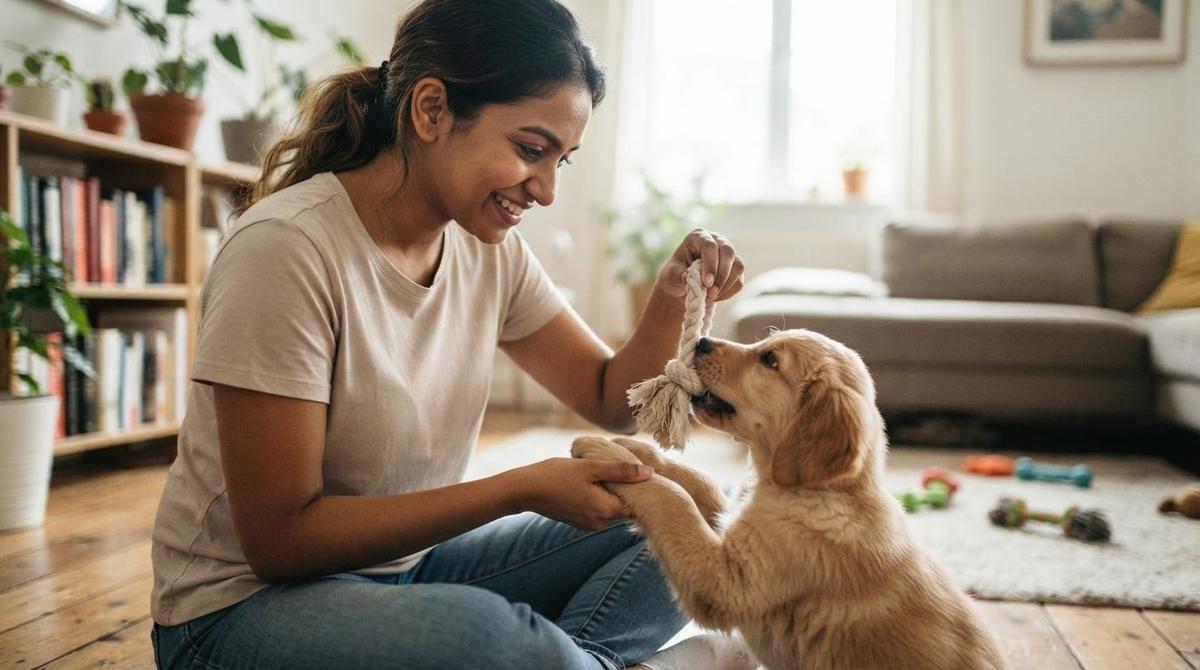
Dog owner using a chew toy to redirect a playful puppy during indoor training

Redirecting a puppy toward an appropriate toy helps teach a better way to play.

Why Does My Puppy Bite My Feet When I Walk?

Before you can stop ankle biting, it helps to understand what your puppy may be trying to achieve. The same behavior can have several causes, so pay attention to when it happens and what your puppy does immediately before and after biting.

1. Moving Feet Trigger Your Puppy's Play Instinct

To a young dog, moving feet can be exciting targets. Your shoes move across the floor, your trousers swing, and your direction changes unexpectedly. These movements can encourage chasing, grabbing, and tugging.

Some puppies also display behaviors associated with chasing and herding. Breeds developed for herding may be especially interested in moving legs, although puppies of many breeds can show this behavior.

If your puppy starts chasing your ankles as soon as you walk away, movement itself may be part of the trigger. Pulling your feet away quickly can make the game even more exciting.

2. Teething Makes Chewing More Appealing

Puppies explore their surroundings with their mouths, and teething can increase their desire to chew. Fingers, shoes, trouser legs, and ankles may become convenient targets when a puppy has not learned which objects are appropriate to bite.

Offer safe, puppy-appropriate chew toys and supervise your puppy while chewing. Choose toys suitable for your dog's size and chewing strength, and remove any damaged items that could become choking hazards.

3. Your Puppy May Be Overtired or Overexcited

Not every ankle attack means your puppy needs more exercise. Some puppies become especially mouthy when they are tired, overstimulated, or struggling to settle after an exciting play session.

Notice whether the biting tends to happen in the evening, after visitors arrive, or when play has continued for a long time. If you see a pattern, try a calmer routine with appropriate rest, short training sessions, and quiet activities.

4. Your Puppy Has Learned That Biting Gets Attention

Imagine your puppy grabs your trouser leg. You laugh, talk loudly, move your foot away, and start pushing the puppy back. Even if you are trying to stop the behavior, your puppy may interpret all that movement and attention as part of an exciting game.

This does not mean you caused the problem intentionally. It simply means your response may be rewarding the behavior without you realizing it. Changing what happens immediately after the bite can help your puppy learn a better habit.

How to Stop Puppy Biting Ankles: 6 Practical Steps

The goal is not to frighten your puppy into stopping. It is to make ankle biting less rewarding and teach a safe, acceptable alternative. Use the same approach consistently so your puppy can understand what you expect.

1. Stop Moving When the Biting Starts

When your puppy grabs your ankle or trouser leg, stop walking as soon as it is safe to do so. Keep your body still, avoid waving your feet around, and do not turn the moment into a chase.

Wait briefly for your puppy to release you. If necessary, use a suitable toy or a treat to encourage disengagement without pulling your leg away or wrestling with the puppy. Once your puppy releases, calmly redirect them toward an appropriate activity.

Standing still will not solve every case immediately, but it can remove the movement that makes your feet exciting. If your puppy becomes more aroused or continues biting hard, calmly create distance using a barrier or another safe method.

2. Keep a Suitable Toy Within Reach

One of the easiest ways to prevent repeated ankle biting is to have a suitable toy ready before your puppy gets excited. A soft tug toy or another puppy-safe toy may work well, depending on your dog's age and chewing style.

When you notice your puppy preparing to chase your feet, offer the toy before the biting begins. Praise your puppy for engaging with the toy instead of your clothes or skin.

Try different toys to discover what your puppy enjoys. This guide to choosing suitable dog toys and comfortable bedding can also help you think about your puppy's play and resting environment.

3. Reward Calm Behavior Around Moving Feet

Do not wait until your puppy bites before interacting with them. You can also teach the behavior you want by rewarding calm moments.

  • Ask your puppy to sit or stand calmly before you begin walking.
  • Take one or two steps while your puppy remains calm.
  • Reward your puppy with a small treat or gentle praise.
  • Gradually increase the number of steps as your puppy succeeds.
  • If biting starts, stop the exercise, reset calmly, and make the next attempt easier.

Keep these sessions short and practise in a quiet room at first. Once your puppy understands the exercise, gradually practise in other parts of your home. Frequent, easy successes are more useful than one long session that leaves your puppy overstimulated.

4. End the Game Briefly When Biting Continues

If your puppy keeps biting after you stop moving and offer a toy, calmly end the interaction. Step behind a secure barrier or move to a place where your puppy cannot continue grabbing your feet. Keep the break brief and quiet, then try again when your puppy has settled.

A short pause removes access to the game without frightening your puppy. Avoid shouting, hitting, pushing the puppy down, or holding its mouth shut. These reactions can create fear or increase excitement, and they do not teach the puppy what to do instead.

5. Check Whether Your Puppy Needs Rest

Young puppies need plenty of sleep, and their ability to manage excitement is still developing. If ankle biting repeatedly appears after a busy period, try a quiet break in a comfortable, safe resting area.

Provide regular opportunities for appropriate play, toilet breaks, sniffing, and rest. More exercise is not always the answer: exhausting a puppy can sometimes make it harder for them to settle.

A predictable daily routine can make it easier to identify patterns in your puppy's behavior. For broader advice on everyday care, see this guide to building healthy dog care habits.

6. Make Sure Everyone Uses the Same Training Method

Training becomes confusing when one person encourages ankle chasing as a game while another person tries to stop it. Ask everyone in your household to follow the same basic rules: avoid exciting foot movements, redirect biting to toys, and reward calm behavior.

If your puppy frequently bites visitors, children, or other household members, manage interactions carefully. Young children should never be expected to handle a biting puppy on their own. Use adult supervision and barriers when needed to keep everyone safe.

Dog owner practising positive reinforcement training with a young dog outdoors

Short, positive training sessions help puppies learn alternative behaviors.

Common Mistakes That Can Make Puppy Biting Worse

Sometimes the problem continues because a puppy receives mixed signals. Watch out for these common mistakes when trying to stop puppy biting feet and ankles.

  • Pulling your feet away quickly: Fast movement may encourage chasing and grabbing.
  • Shouting or squealing: Some puppies become more excited in response to loud reactions.
  • Using your hands to wrestle: Rough play can teach a puppy that grabbing skin is part of the game.
  • Offering a toy too late: Keep a toy nearby and redirect your puppy before excitement escalates whenever possible.
  • Expecting instant results: Puppies need repetition and consistency to develop reliable habits.

Progress may not be perfectly steady. Your puppy might respond well one day and struggle the next, especially when tired or distracted. Focus on the overall pattern rather than expecting every training attempt to succeed.

When Should You Be Concerned About Puppy Biting?

Playful mouthing and ankle chasing are common in young dogs, but not every biting incident should automatically be treated as normal puppy behavior.

Seek advice from a veterinarian if the biting starts suddenly, appears connected to pain, or occurs alongside unusual changes in your puppy's health or behavior. A qualified, reward-based trainer or veterinary behavior professional can help if the biting is intense, persistent, difficult to interrupt, or accompanied by stiff body language, repeated growling, or injuries.

In the meantime, avoid situations that repeatedly trigger biting and use safe barriers to prevent injuries. Do not punish warning signals such as growling; seek professional guidance to understand what your puppy is communicating.

Frequently Asked Questions

Why does my puppy bite my feet only when I walk away?

Your moving feet may trigger chasing and play behavior. Your puppy may also have learned that grabbing your trousers makes you stop, turn around, or interact with them. Practise rewarding calm behavior as you take a few steps away.

How do I stop my puppy from biting my ankles while walking?

Stop moving when it is safe, avoid turning the incident into a chase, and redirect your puppy toward a suitable toy. Reward calm behavior and practise short walking exercises when your puppy is relaxed.

Should I say no when my puppy bites my feet?

A calm verbal cue may be useful if you have taught your puppy what it means, but repeating “no” alone usually does not teach an alternative behavior. Combine a consistent response with redirection and rewards for appropriate choices.

At what age do puppies stop biting ankles?

Many puppies become less mouthy as they mature, but there is no exact age when ankle biting automatically stops. Teething, temperament, excitement, and training all influence progress. Consistent practice can help establish better habits.

Should I punish my puppy for biting my feet?

No. Avoid physical punishment, frightening reactions, or forcefully holding the puppy's mouth shut. Calmly interrupt the interaction, create distance if necessary, redirect the puppy, and reward appropriate behavior instead.

What if my puppy bites harder when I stand still?

If standing still increases your puppy's excitement, calmly use a safe barrier or step away without turning it into a chase. Try again later with a suitable toy and an easier training exercise. Seek professional help if the biting is intense or causes injuries.

Final Thoughts

When your puppy bites your feet every time you walk, it can feel as though you cannot take a single step without starting another game. But the behavior often becomes easier to manage when you identify the trigger and respond consistently.

Start with three simple habits: stop rewarding ankle chasing with exciting movement, keep an appropriate toy within reach, and reward your puppy for staying calm while you walk. Make sure your puppy also has suitable rest and a predictable daily routine.

Be patient with the learning process. You are not simply trying to stop a puppy from biting; you are teaching them how to live comfortably and safely alongside people. If the behavior is unusually intense or does not improve, a qualified professional can help you find a plan suited to your puppy.

Why Is My Dog Reverse Sneezing? Causes, How to Help & When to Worry

You hear a sudden, loud honking or gagging sound, and your dog is standing frozen with their neck stretched out, seemingly fighting for ai...

Popular Posts